
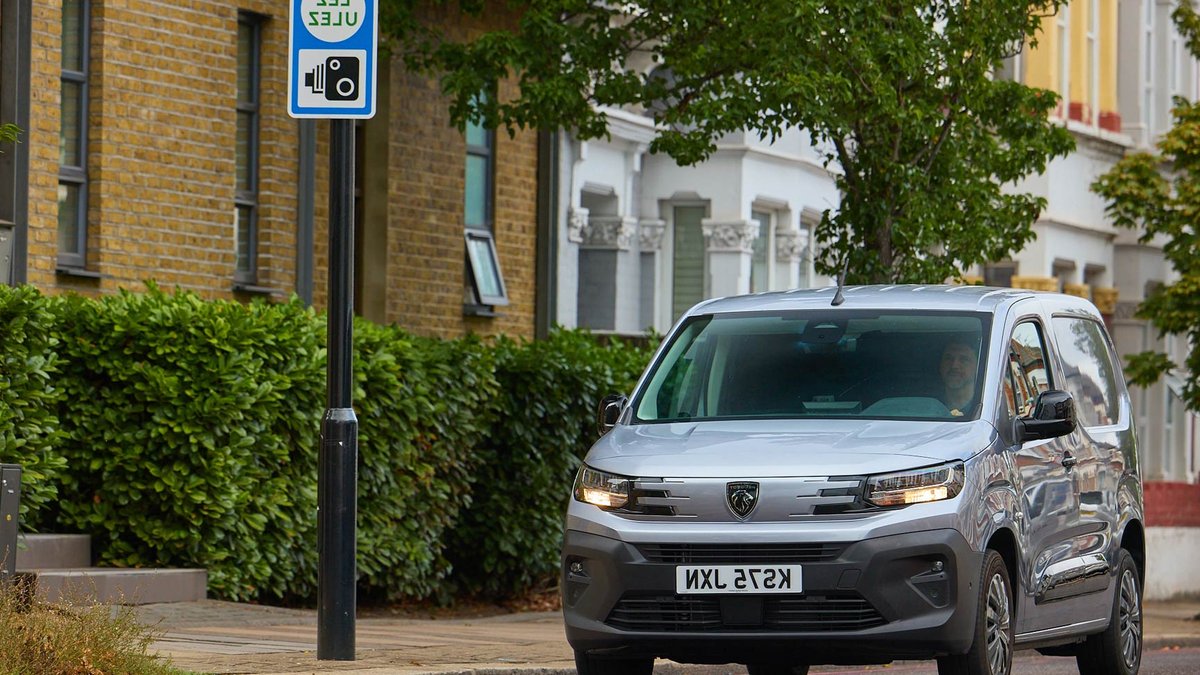
Van drivers in the UK are paying an average of £780 annually to enter Clean Air Zones and Low Emission Zones. The charges, aimed at cutting pollution, have become a major expense for commercial operators.
London and Tyneside hit drivers hardest
London imposes the highest costs, with drivers spending nearly £1,200 each year—about £99 per month. The Tyneside Clean Air Zone, covering Newcastle and Gateshead, comes next, with van drivers paying around £82 monthly, totaling £984 annually.
Both zones charge £12.50 per day, exceeding the £8 to £10 fees elsewhere in the country. Fourteen such zones now operate across the UK, with nine requiring payment for non-compliant vehicles. Unpaid fees trigger penalty charges.
Revenue from zones tops £1.5 billion
A Freedom of Information request showed these zones have collected nearly £1.5 billion. London’s Ultra Low Emission Zone and Low Emission Zone contributed £1.2 billion after expanding in 2023.
Scotland takes a different approach. Its four Low Emission Zones in Glasgow, Edinburgh, Dundee, and Aberdeen ban non-compliant vehicles instead of charging daily fees. Van drivers there pay an average of just £39 per month. Wales, without any Clean Air Zones, has the lowest costs at £37 monthly.
The financial pressure extends beyond zone fees. Drivers now spend more on these charges than on parking (£632 a year) or servicing and maintenance (£715). Only fuel remains a bigger expense, averaging £2,112 annually.
Related: Mercedes Unveils Partially Convertible G Class Model
Electric vans emerge as a potential solution
Steve Wass, managing director of Peugeot UK, noted the growing burden on commercial drivers. “With rising fuel and living costs, our research shows the annual expenditure van drivers face,” he said. “For those regularly entering Clean Air Zones, the cost of running a non-compliant van adds up quickly, making now an ideal time to consider cleaner transportation.”
Peugeot provides electric van models like the E-Partner, E-Expert, and E-Boxer, with finance deals matching diesel equivalents. Other manufacturers have introduced competitively priced electric alternatives.
For many, the fees are reshaping business decisions. Some adjust routes, while others evaluate the long-term costs of keeping older, non-compliant vehicles. The move toward electric options reflects both compliance needs and financial considerations.
The zones were created to improve air quality, but their effect on small businesses and independent operators has been significant. A driver in Birmingham might pay less than one in London, yet the combined impact across multiple zones remains substantial. Those relying on vans for work often choose between absorbing costs or raising prices for customers.
Wales’ lack of Clean Air Zones offers a different model. Without daily charges, drivers avoid the financial burden, though pollution concerns persist. Scotland’s ban-based system keeps costs low but raises questions about enforcement and adaptability.
The discussion around these zones involves more than finances. It centers on how cities reconcile environmental goals with commercial realities. For now, the fees remain in place—and for many van drivers, they’re an unavoidable part of daily operations.