
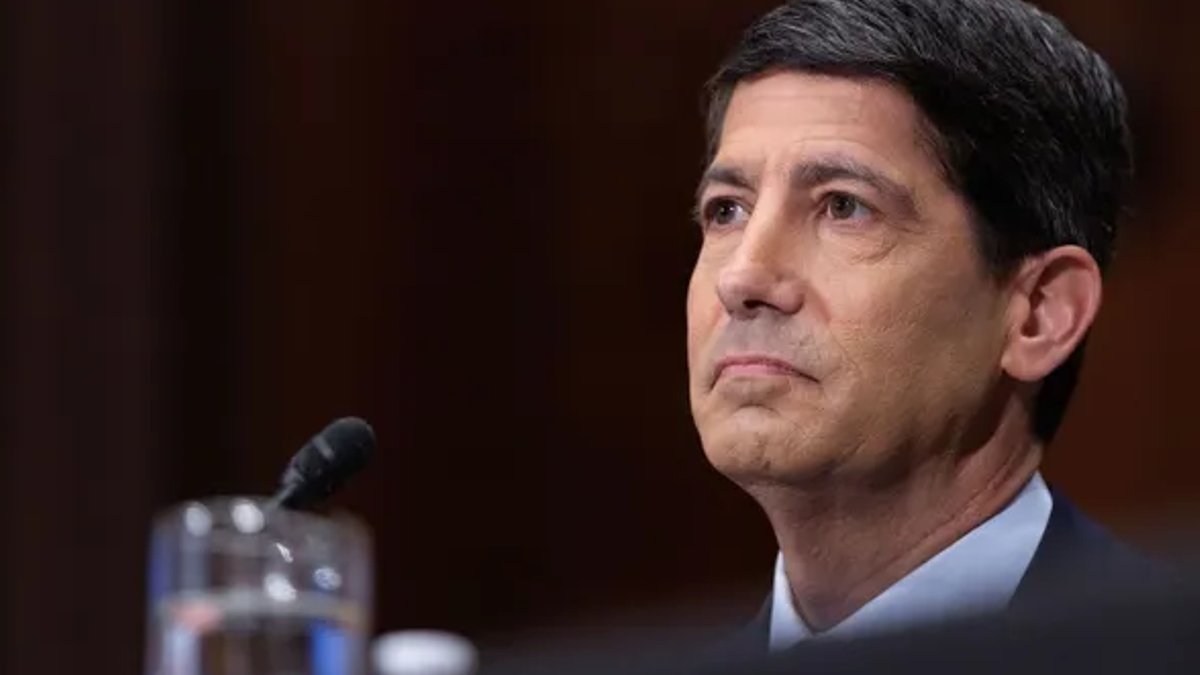
The Federal Reserve decided on Wednesday to keep the benchmark interest rate steady at a range of 3.75% to 4%, despite inflation accelerating beyond its 2% target in recent months. The Federal Open Market Committee (FOMC) voted 10-2 to pause, with Governor Lisa Cook and Cleveland Fed President Beth Hammack dissenting in favor of a 0.25 percentage point increase. The central bank pledged to “deliver price stability” while gathering more data before deciding on future policy moves. Its next meeting is scheduled for December 8-9.
Inflation Accelerates Beyond Fed Target
Data from September showed the consumer price index rising at a 3.7% annual rate, exceeding expectations. The producer price index, a measure of wholesale prices, increased by 6.3% over the past 12 months, also surpassing forecasts. Higher energy prices, driven by geopolitical tensions in the U.S.-Israel conflict with Iran, have pushed costs across the economy. Brent crude oil prices have surged 80% over the past year to $115.75 per barrel, showing no signs of easing.
Read Also: Stellantis cuts losses as cost cuts boost earnings
The extended period of rising prices has reduced real incomes and strained household budgets, potentially influencing voter sentiment ahead of the November 3 midterm elections. Fed Chair Kevin Warsh acknowledged during a post-meeting press conference that “inflation is a choice” and emphasized the bank’s responsibility to bring it down. He described the policy debate as a “serious, sober discussion,” noting that politics did not factor into the decision.
Economic Indicators Remain Strong
The FOMC highlighted that economic activity is expanding at a “strong pace,” with domestic spending remaining resilient despite uncertainties from geopolitical events. Productivity growth and capital investment are robust, and the job market continues to perform well. Unemployment held steady at 4.2% in September, hovering between 4.1% and 4.3% since March. Payroll growth remains above last year’s pace, supporting the committee’s positive outlook on employment.
Warsh stated that on the employment side of the Fed’s dual mandate, “conditions are quite positive.” However, he cautioned that financial conditions are tightening, though not yet restrictive. Bond traders have adjusted their expectations, with the 10-year Treasury yield rising above 5% and the odds of a December rate hike increasing to 85% according to the FedWatch tool.
Read Also: Tesla Begins Humanoid Robot Production in California
The dissenting votes from Governor Lisa Cook and Cleveland Fed President Beth Hammack reflect growing concerns that inflation could become harder to control without additional rate increases.
Market Reactions and Forward Guidance
The decision to hold rates steady comes amid mixed signals from financial markets. While bond yields have risen, Warsh noted that “market participants are becoming somewhat more discerning in their capital allocations.” He added that while overall financial conditions are tighter, he is “unwilling and unable to call them tight.” This cautious language signals that the Fed remains data-dependent in its approach.