
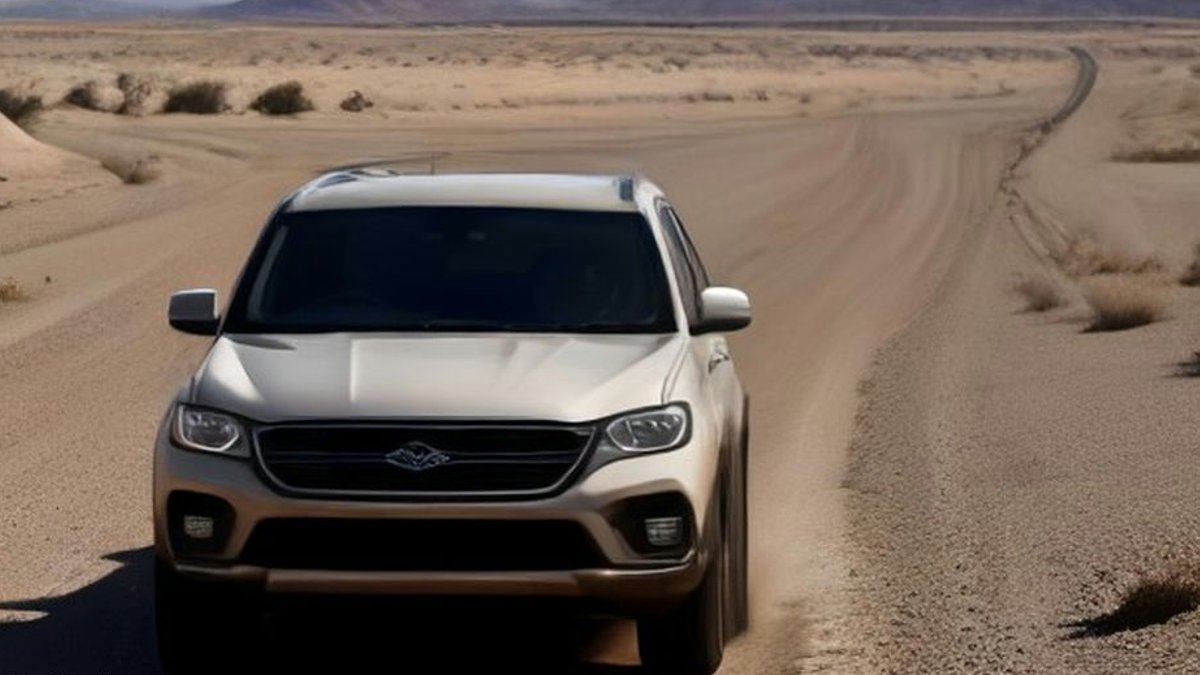
The Volkswagen Taigun has been a top choice for SUV buyers prioritizing driving feel and engagement. However, with increasing competition, the new facelifted version arrives at a time when it needs to make a strong impression. A recent 480 km road trip from Dholavira in the Rann of Kutch to Udaipur provided an opportunity to test the updated model.
The new styling is a notable improvement, with the Taigun successfully recreating the new Volkswagen look in its smaller footprint. The squinted lighting and distinct LED signature with backlit logos and brighter LEDs are particularly striking features.
The boot space remains at 385 litres, which, although not the largest in the segment, easily accommodated the luggage of four people, including three strolleys, backpacks, and a cool box. The deep floor and minimal intrusions make the most of the available space.
Volkswagen Taigun Facelift Interiors and Features
At first glance, the interior of the facelifted Taigun may not seem significantly different, but Volkswagen has introduced new finishes, such as a brushed silver effect, to enhance the sophisticated feeling. The plastics are of good quality, and the capacitive touch panel for climate controls, although not the easiest to use on the move, now comes with an improved AC compressor better suited to local conditions.
A new fully digital 10.25-inch instrument cluster adds to the upmarket feel and is more logical to use. The central touchscreen, although taking a long time to load, quickly and reliably connects to wireless phones. The driving position is easy to adjust, and the seats, with ventilation and powered function, are among the best in this segment, providing excellent cushioning and support.
The rear seats offer a comfortable and airy feeling, thanks to the panoramic sunroof, with ample space for feet and good thigh support. However, the narrow cabin and seatback hump can make it less comfortable for a middle passenger. The 2651 mm wheelbase, one of the largest in the segment, contributes to the competitive space.
Driving Impressions
The 1.0-litre Taigun with the 8-speed auto was driven first, through winding local roads along the Rann of Kutch. The engine, still producing 115 PS and 178 Nm, is much more refined, with a toned-down gruff note and fewer vibrations. The new 8-speed auto is a significant improvement, making the car more energetic and easier to control, especially at slow speeds.
Related Post: Proton S70 gets turbo facelift and redesign
The steering is direct, and the handling and chassis balance are well-suited for narrow roads. The Taigun stayed steady over undulations, and the solid feel of the car inspired confidence. Later, the 1.5-litre turbo-petrol version was driven on the winding highways through the Aravallis, showcasing its wide powerband and linear performance, although it could sound better.
The DCT has slightly taller gearing, but the wider powerband gives the car great legs in highway driving. It’s easier to get up to high speeds, and the car seems less stressed with a full load of passengers. The DCT’s crisp shifts add to the engaging experience, particularly in Sport mode.
The heavier nose of the Taigun 1.5 gives it a more planted feel on sweeping bends, with great high-speed stability and a sorted ride. However, this makes it feel slightly less agile around tighter corners. The things that stood out about the Volkswagen Taigun on this long drive are the drivability of the 1.0-litre engine, the engaging performance of the 1.5, and the inherent sturdy feel and comfortable seats.
The Taigun is priced between Rs 11 lakh to Rs 19.30 lakh, and while it has enough features to keep passengers comfortable, some improvements, such as better cameras and ADAS, would be welcome. The new looks work well, and the facelifted model is a strong contender in its segment, with the drivability and performance of its engines being major strengths.
The Volkswagen Taigun’s 1.5-litre turbo-petrol engine produces 150 PS and 250 Nm, and its wide powerband and linear performance make it well-suited for highway driving, where it can effortlessly maintain high speeds and handle overtakes with confidence.
Some notable features of the Volkswagen Taigun include its electronic park brake and wireless charging. However, the wireless charging did not work reliably during the test drive. The door pockets are spacious, but there could be more space in the central tunnel for items like phones.
The test drive covered a distance of 480 km, from Dholavira in the Rann of Kutch to Udaipur, and the Taigun performed well on both winding local roads and fast highways. Its sturdy feel and comfortable seats made it an enjoyable ride, even on long stretches of road.