
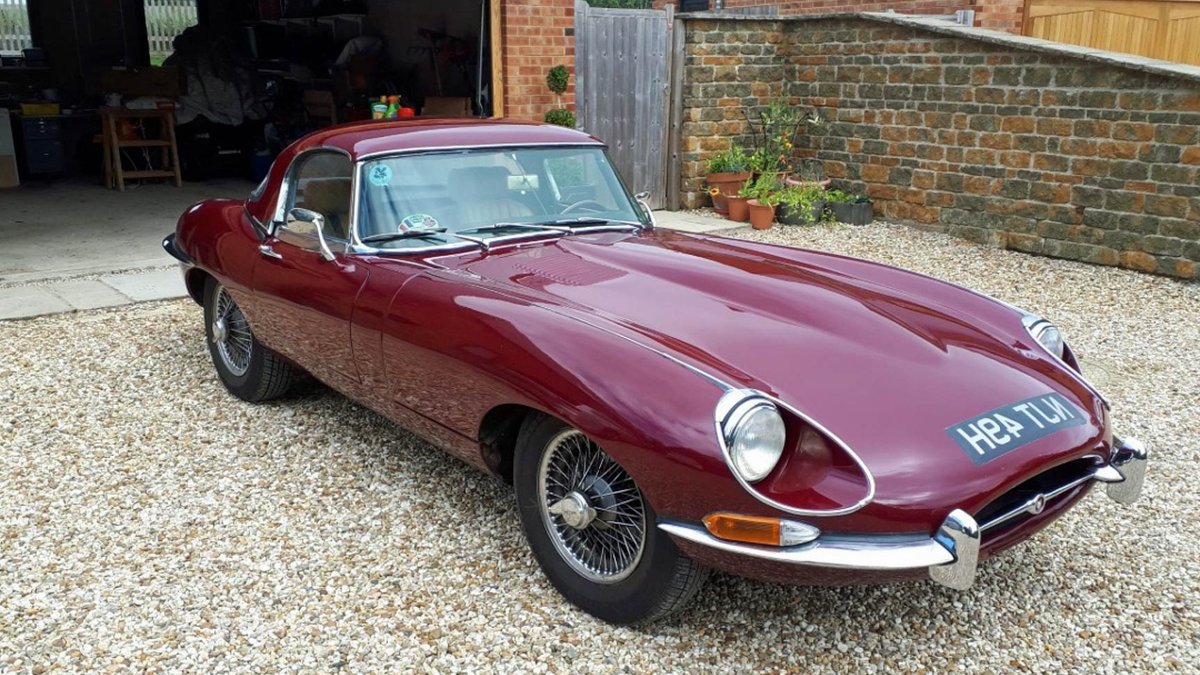
UK classic cars are more likely to gather dust than to roll down a road, with recent data showing that almost half of the nation’s historic vehicles are officially declared off the road.
Owners often cherish these machines.
Nearly half of historic vehicles sit idle
The Driver and Vehicle Licensing Agency’s records, obtained through a Freedom of Information request, list just over 1.34 million cars older than 40 years.
Of those, 640,243 have a Statutory Off Road Notification, meaning they are not being driven, which translates to a 47.6 percent inactivity rate.
703,732 classic automobiles remain registered for road use, representing 52.4 percent of the total pool. The split suggests that roughly two‑thirds of a million vehicles sit in garages, barns, or driveways across the country.
Heritage Car Insurance, which specialises in coverage for older models, compiled the figures and noted that the SORN status can be chosen for a variety of reasons. Long‑term restorations often keep a car off the road for years, and many owners use the winter months to protect vehicles from dampness and road salt.
Related: Two-thirds of UK leased cars now electric
“A stored classic can still be damaged, stolen or caught in a fire, and often these are exactly the cars owners have poured the most time and money into,” the managing director said. “Laid‑up cover exists for precisely that reason.”
Regional gaps show where the cars stay on the road
South‑east England leads the nation with 205,507 such automobiles, and more than half—56.9 percent—are active on the road.
Wales presents the opposite picture. Of its 65,092 historic vehicles, only 46.6 percent are registered for use, the lowest proportion among the UK nations.
A deeper dive into postcode data highlights an outlier: the BT94 area, covering Enniskillen in County Fermanagh, Northern Ireland, has 83 percent of its classic cars listed as SORN. That concentration suggests local factors, perhaps climate or collector habits, heavily influence storage decisions.
These regional patterns may reflect the distribution of enthusiasts, the availability of restoration services, or simply the weather. Areas with milder winters could see more cars kept on the road year‑round, while harsher climates encourage owners to protect their investments by taking them off the road.
Climate often dictates storage choices.
Related: Kia EV3 GT takes on Toyota A290
While the numbers paint a clear picture, the human side of the story is less visible. Many owners treat their classic automobiles as heirlooms, preserving them for future generations rather than for daily commuting.
One could argue that the high proportion of stored vehicles signals a healthy market for restoration and preservation services. If owners are willing to keep cars off the road, they may also be ready to invest in proper maintenance, which could sustain related trades. However, the trend also raises questions about the long‑term viability of the classic‑car culture if fewer vehicles are seen on public streets.
Regulators remind owners that a SORN does not exempt them from insurance obligations. Even a vehicle that never leaves its driveway can suffer damage from fire, theft, or accidental flooding, and insurers offer specific “laid‑up” policies for such risks.
For those interested in the broader context of classic‑car legislation, the DVLA website provides guidelines on SORN procedures, while the Wikipedia entry on classic cars offers background on definitions and collector culture.
Overall, the figures highlight a split in how Britain’s historic automobiles are treated: roughly half are kept alive on the roads, while the other half remain safely stored, awaiting a future outing or a careful restoration.