
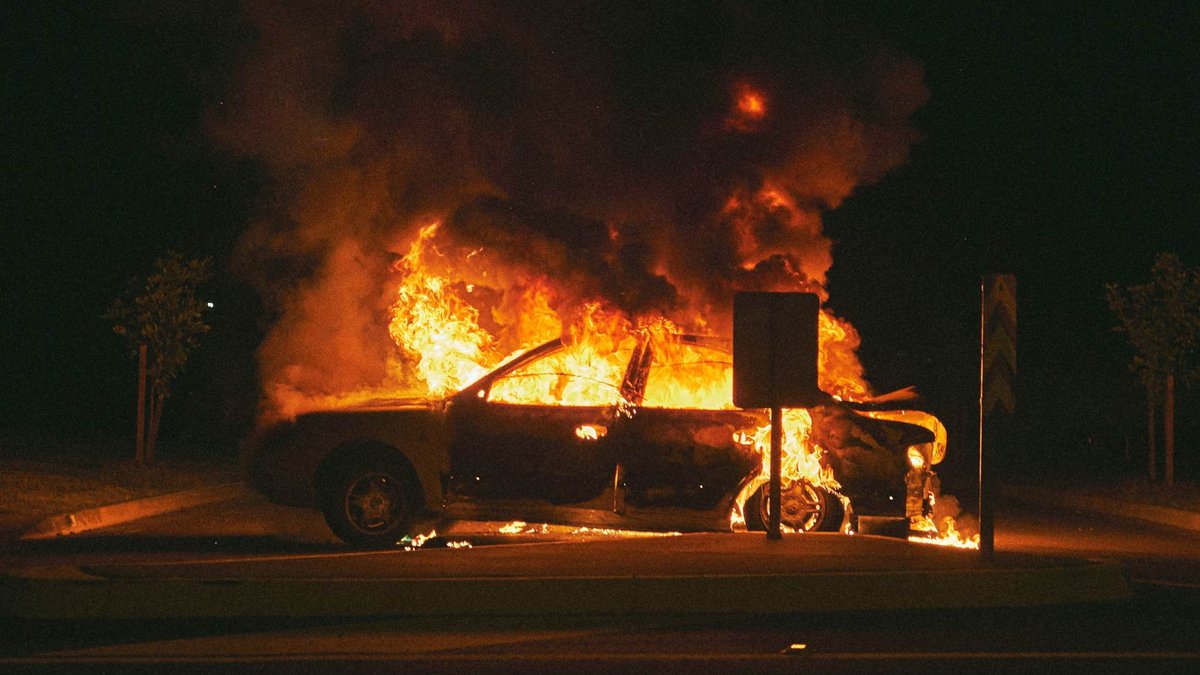
With the UK experiencing its hottest summer on record, the heat has brought a dangerous side effect to the nation’s roads: a surge in vehicle fires. Insurance data shows a sharp increase in claims for vehicle fires, driven by the extreme weather.
Data from car insurance company Admiral indicates a dramatic spike in fire-related claims during June and July. The firm handled nearly 300 claims for vehicle fires in that two-month period alone. This represents a significant jump compared to Admiral’s monthly average. July 2026 specifically saw a 40 percent increase in fire claims compared to the usual monthly rate, along with a 29 percent rise compared to the same month in 2025.
The causes of these fires are varied. They range from electrical malfunctions to external ignition sources. Admiral found that around three-quarters of vehicle fires over the last two years were linked to electrical faults. The remaining quarter of claims stemmed from vehicles catching fire due to external factors, such as being parked next to a structure that caught fire.
Admiral’s data suggests that older internal combustion engine vehicles are the most vulnerable. Diesel models were the most fire-prone, accounting for more than half of all claims. Petrol vehicles followed with 40 percent of the claims. Electric cars and hybrids accounted for only six percent of fire claims since July 2025. This might suggest these vehicles are safer, but Admiral notes that wiring issues across all vehicle types are the leading cause of combustion.
Hot weather can place additional strain on vehicles, exacerbating existing mechanical faults or causing a car to overheat. In turn, this can cause vehicles to leak oil or other fluids, resulting in a fire starting beneath the bonnet. It is not uncommon for a simple overheating issue to escalate into a full-blown engine fire when the mercury rises.
Related: User Blocked from Social Media Platform
Admiral recommends ensuring your car is regularly serviced and keeping on top of maintenance. You should also monitor your engine temperature during hot weather in case it shows signs of overheating. Regular checks can prevent small issues from becoming dangerous ones during a heatwave.
Carl Wren from Admiral said: “Hot weather doesn’t necessarily mean your car is going to burst into flames, but higher temperatures can place additional strain on vehicle systems and expose existing electrical or mechanical faults that may otherwise have gone unnoticed. Our claims data suggests that internal combustion engine vehicles, particularly older models that might not be well maintained, are at a higher risk.”
While extreme heat alone is unlikely to cause a well-maintained vehicle to catch fire, it can increase the risk of overheating and other issues developing. There are steps motorists can take to reduce the risk of a fire originating within their own vehicle, though it may not be possible to prevent a fire caused by an external source.
They can take action.
Admiral’s findings highlight the importance of regular vehicle maintenance. They also show that older vehicles are more prone to fires. As a result, motorists with older vehicles should be extra cautious during hot weather. Carl Wren notes that higher temperatures can expose existing faults. They can cause a fire to start. Motorists should be aware of this risk and take steps to mitigate it.